
How to Save Money on Material Handling at Trade Shows
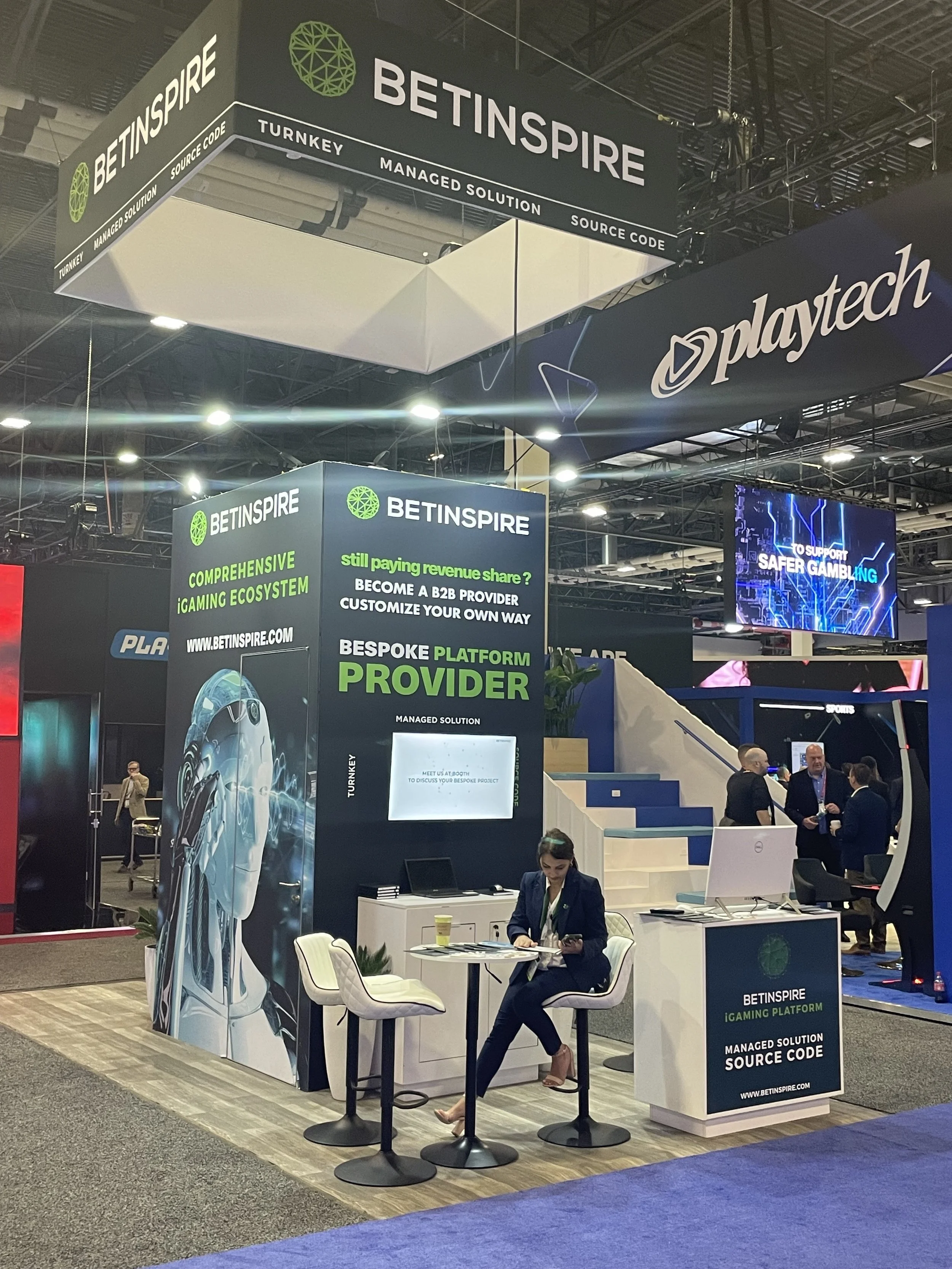
Global Gaming Expo or G2E returns to the Venetian Convention Center. BetInspire attends in an island 10×20 booth rental while keeping the booth simple saved them $1500 in material handling costs.
Material handling at trade shows is a crucial yet often overlooked aspect of event planning. It involves moving exhibit materials from the loading dock to the booth and back. This process, known as "drayage," can be surprisingly costly.
Many exhibitors are shocked by the high fees associated with these services. Costs are calculated based on shipment weight, and they can quickly add up.
Understanding why these expenses are so high is essential for effective budgeting. Factors like labor rates and venue complexity play a significant role.
Fortunately, there are ways to save money on material handling. With careful planning and strategic choices, exhibitors can reduce these costs significantly.
What Is Material Handling at Trade Shows?
Material handling at trade shows refers to the process of managing exhibit materials within the venue. This involves several key steps from the moment materials arrive. At the venue, items are unloaded from delivery trucks and transported to the exhibitor's booth.
Once the show ends, the reverse occurs. Materials are moved back to the loading dock for reloading onto trucks. This service ensures that items are where they need to be, when they need to be.
Critical tasks in material handling include:
Unloading freight upon arrival
Storing empty crates during the event
Reloading freight after the show
Exhibitors rely heavily on these services for a smooth event experience. Efficient material handling is crucial for keeping the show on schedule. Proper coordination can prevent unnecessary delays and ensure seamless operations. Understanding these processes helps exhibitors plan and budget effectively for successful trade shows.
Why Is Material Handling So Expensive?
Material handling costs can quickly add up at trade shows. Several factors contribute to these expenses, making them a significant part of the trade show budget. High labor costs are one of the primary reasons. Skilled workers are required to move heavy and delicate equipment efficiently and safely.
Another factor is union regulations which may dictate who can perform certain tasks. Depending on the venue, you might only be able to use union workers for handling tasks. This can further increase costs, as these workers often command higher wages.
The complexity of the venue also influences costs. Larger or more intricate venues require more time and resources to navigate. This can extend the time needed for setting up and tearing down materials.
Key cost contributors include:
Labor rates and union requirements
Venue complexity and logistics
Timing of setup and dismantle
Understanding these cost drivers is essential for managing expenses. Advance planning and understanding venue-specific rules can help alleviate high costs.
How Are Material Handling Fees Calculated?
Understanding how fees are calculated is crucial. Costs often vary based on the weight of your shipment. Typically, charges are measured per hundredweight (CWT). This means if your materials weigh more, your costs will likely be higher.
Besides weight, factors like the number of shipments and the complexity of unloading can influence fees. A shipment that requires special handling may incur additional costs. Timeliness is another important aspect; deliveries during peak times can cost more.
Key elements in the fee calculation include:
Shipment weight in CWT
Special handling requirements
Timing of delivery
Being aware of these factors helps in planning and budgeting. By optimizing your shipments and timing, you can reduce overall expenses. Proper planning and efficient packing are instrumental in keeping costs manageable.
Material Handling vs. Shipping: What’s the Difference?
Material handling and shipping are distinct processes. Shipping refers to transporting goods to the event venue. It involves moving materials from your location to the trade show.
In contrast, material handling occurs within the venue. It starts at the loading dock and ends at your booth. This involves several steps and services, including:
Unloading shipments
Storing empty crates
Reloading freight after the show
Each step serves a unique purpose. Understanding these differences prevents confusion and helps in efficient planning. Knowing what each service covers ensures you are only paying for what you need.
Top Ways to Save Money on Material Handling
Reducing material handling costs involves strategic planning. Begin by understanding and adhering to venue guidelines. This reduces unexpected fees and smooths the process.
Consolidating shipments can be particularly effective. Instead of multiple deliveries, aim for a single, large shipment. This strategy minimizes handling charges.
Lightweight materials can also make a difference. Opt for compact packaging to lower costs based on weight. Reducing shipment bulk saves money over time.
Take advantage of available discounts. Many venues offer reduced rates for early shipping. Off-peak delivery times might also come with lowered fees.
Consider partnering with logistics experts. Their experience can streamline processes and avoid pitfalls. They often negotiate better rates, yielding more savings.
Here is a summarized list of cost-saving strategies:
Consolidate shipments
Use lightweight, compact packaging
Ship early or during off-peak times
Additional practical tips include:
Partner with logistics experts
Thoroughly review exhibitor manuals
Be aware of venue's exclusive providers
With careful planning, material handling becomes manageable. Use these strategies to optimize your trade show budget. Smart logistical choices make a significant difference.
Practical Tips for Trade Show Logistics and Setup
Effective trade show logistics begins with a well-thought-out plan. Start by creating a detailed schedule for setup and dismantling. This helps in allocating time and resources efficiently.
Focus on the design of your booth and trade show equipment. Modular and reusable exhibit designs can save both time and money. They simplify setup and reduce the need for extensive on-site labor.
Communication is key to successful logistics. Engage with your logistics providers and venue staff to clarify any questions. This collaboration ensures everyone's on the same page and anticipates any hurdles that might arise.
Consider these practical tips:
Design with modular exhibits
Develop a detailed event schedule
Communicate effectively with vendors and staff
With these tips, trade show setup becomes less daunting. Careful planning and clear communication pave the way for successful events.
Final Thoughts: Smarter Material Handling for Your Next Trade Show
Navigating material handling doesn't need to be costly or stressful. With informed planning and strategic decisions, you can manage expenses while ensuring a smooth setup.
Understanding the nuances of material handling at trade shows empowers exhibitors to optimize their logistics. By implementing these strategies, you'll enhance efficiency and potentially uncover further cost savings. These practical approaches not only reduce expenses but also contribute to a more successful and less stressful trade show experience. Optimize where possible and maintain clear communication for the best outcomes.
Ready to Simplify Your Trade Show Experience?
If you're looking to streamline your material handling and make the most of your trade show logistics, book a call with Authentic Exhibits today! Our experts are ready to help you optimize your setup, reduce costs, and ensure a successful event.
Watch the video version of this post here.
