
First Trade Show Tips To Get Started!
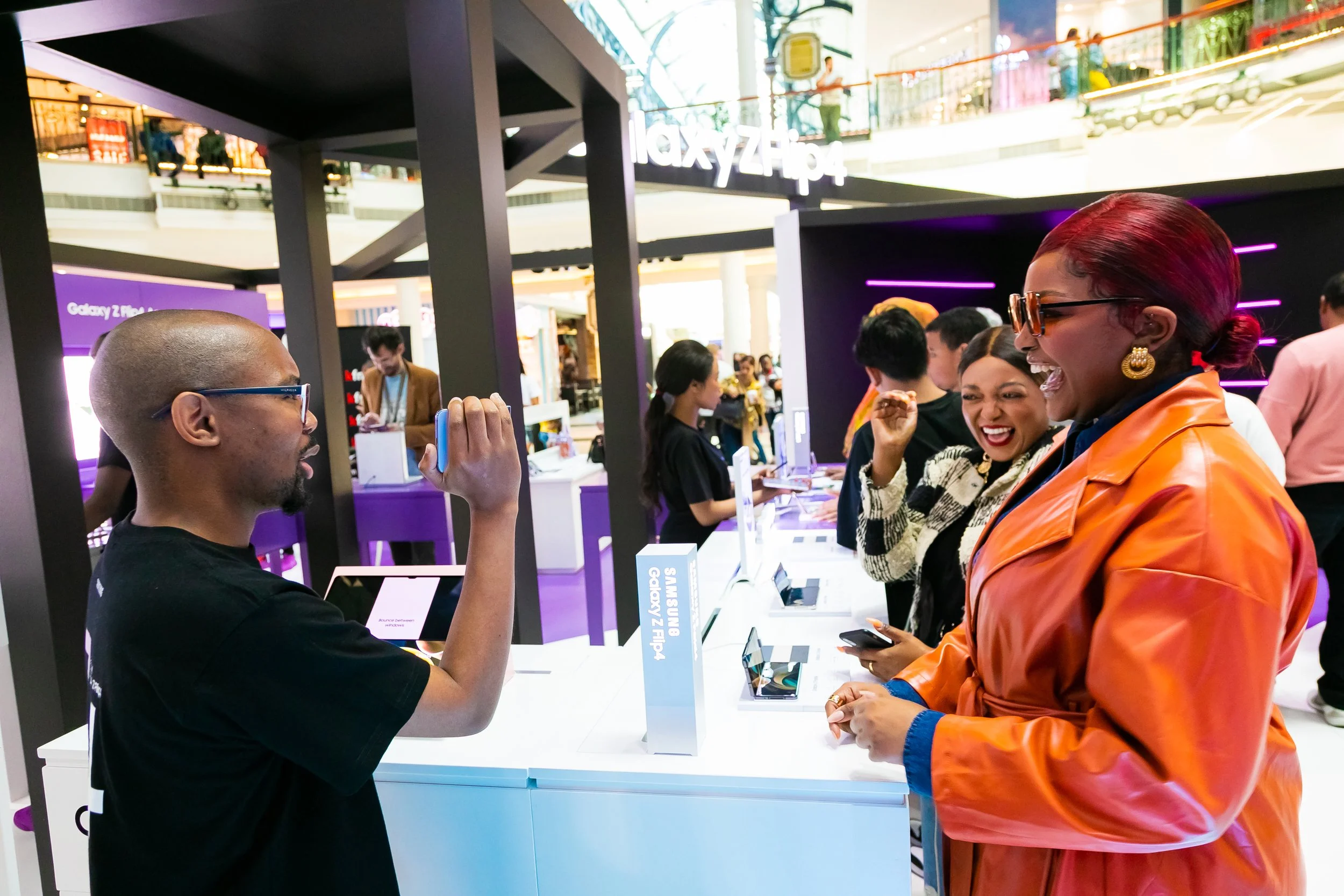
Not sure how to plan a trade show booth? Your first trade show can feel overwhelming. Between deadlines, design decisions, and unfamiliar industry jargon, it’s easy to feel lost. Especially if you’re the event planner, marketing director, or business owner tasked with making it all happen.
Although the overwhelm is real, don't let that hold you back from having a rewarding experience. With the right approach, your first show can run smoothly, stay on budget, and actually be enjoyable. This article gives you a simple checklist for your first trade show. By the end you'll have a better understanding of timelines, budgets, booth selection, and cost-saving tips.
How Far in Advance Should You Plan Your First Trade Show?
The ideal timeline for trade show prep is at least two months. You might be wondering, why do I need so much time to prep for the show?
Rush fees add up fast. Last-minute graphics often require expedited printing and shipping, which can easily double costs.
Approvals and revisions take time. From booth design to sponsorship agreements, there are often multiple decision-makers involved.
Vendor availability decreases. Booth builders, labor crews, and freight companies book up early—waiting too long limits your options.
While two months is ideal, we know not every company has that luxury. For last-minute exhibits, be prepared to pay higher costs and have fewer options.
When and How Should You Register as an Exhibitor?
Once you’ve committed to exhibiting, your first step is registration. Here’s how to stay ahead:
Subscribe to the show’s newsletter. Signing up for updates and reminders about deadlines helps you stay organized.
Register early. Early registration gives you first pick on booth space and access to sponsorship or speaking opportunities.
Review the exhibitor manual. Once registered, you’ll receive detailed instructions, deadlines, and forms for ordering services.
Tip: When you register, you will get important updates about shipping times, labor rules, and discount deadlines. Make sure to keep those emails if you need to reference them later.
How Do You Choose the Best Trade Show Booth Location?
Your booth’s location can make or break your traffic flow. When reviewing the show floor plan:
Look for entrances and main aisles. High-traffic areas increase visibility.
Avoid dead zones. Corners or areas far from amenities like food courts often see less foot traffic.
Consider competitor placement. Check LinkedIn or past show photos to see where competitors have exhibited before. Being near them can either help (easy comparison) or hurt (overshadowed by larger displays).
Balance prime location with budget—you don’t want to spend everything on space and have nothing left for booth design or promotions.
How Do You Set a Realistic Trade Show Budget?
Trade shows can be costly, especially for first-time exhibitors unfamiliar with hidden expenses. Four major cost drivers are:
Labor – Onsite crews for setup/tear-down.
Graphics & Printing – Booth visuals, signage, marketing collateral.
Shipping & Freight – Transporting booth materials to the venue.
Convention Services – Material handling, electricity, rigging, cleaning.
Average costs:
Basic booths: ~$75 per square foot.
Custom booths: $100+ per square foot.
Example: A 10x20 booth (200 sq. ft.) could easily cost $15,000–$20,000 once all services are included.
Should You Rent or Purchase a Trade Show Booth?
For first-time exhibitors, renting is usually the smarter choice:
No long-term storage or shipping commitments.
Flexibility to change designs from show to show.
Lower upfront investment.
If you plan to exhibit frequently, purchasing a booth can save money long-term if you have the space and budget to manage logistics.
Tip: Always get at least two price quotes. Look at the company's reviews on Google or ask for recommendations. Make sure you know what is included (shipping, labor, and furniture) before you sign anything.
Need help finding the right display for your show? Download our trade show budgeting guide or book a call.
What Are Show Service Costs (and Why Do They Matter)?
A confusing part of trade show budgeting is show service costs. These are fees from companies like Freeman or GES for services at the venue. Some of these services can include:
Material Handling (Drayage) – Moving freight from dock to booth.
Rigging – Hanging signs or heavy structures.
Electricity & Internet – Power drops, Wi-Fi, etc.
Labor – Union crews for setup and teardown.
Watch for Discount Deadlines:
Most shows offer discounted rates for orders placed before certain dates (often 3–4 weeks before the event). Missing these deadlines can increase costs by 20–30%.
What If You’re Exhibiting Last Minute?
If time is short, focus on simplicity and speed. Fixed-price booth rentals are a great option:
Pre-designed packages with backdrops, flooring, and basic furniture.
Minimal design choices but fast turnaround.
Cost-effective for companies who just need a professional presence.
This approach removes the stress of sourcing multiple vendors and keeps setup simple.
Final Tips for First-Time Exhibitors
Start planning early—even six months out if possible.
Prioritize your budget: booth space, design, and services take up the bulk of costs.
Stay organized with deadlines (registration, shipping windows, discount dates).
Research competitors to inform booth design and location strategy.
Keep it simple if last-minute—better a clean, cohesive booth than a rushed custom build.
Ready to Plan Your First Show?
Your first trade show doesn’t have to be overwhelming. Your success at the trade show starts by breaking the process into clear steps, and understanding where costs come in. From there, you can create an impactful presence without overspending. Download our trade show checklist for beginners.
At Authentic Exhibits, we help first-time (and seasoned) exhibitors plan smarter, save money, and deliver stand-out experiences.
Want expert help for your next show?
Visit AuthenticExhibits.com or subscribe to our YouTube channel for more tips, tutorials, and cost-saving strategies.
Watch the video version of this post here.
